Vision
Sustainable Aquatic Wealth
Sri Lanka to be the leader of conservation and sustainable utilization of Fisheries and Aquatic Resources in the South Asian Region.
National Fisheries Sector Strategy
Government of Sri Lanka
Ministry Overview
Fishing has a long tradition in Sri Lanka spanning over two thousand years. From traditional coastal livelihoods to a multibillion-rupee modern industry, the Ministry provides leadership, regulatory oversight, and sustainable development.
Marine fishing has gradually developed from a traditional coastal livelihood activity to a multibillion-rupee industry since Sri Lanka obtained independence in 1948. Inland fishing and aquaculture are recent developments over the last 75 years, with coastal shrimp farming commencing in the 1980s and marine aquaculture expanding rapidly since 2010.
The sector contributes around 1.4% to the national Gross Domestic Product (GDP), providing direct and indirect employment to approximately 575,000 individuals (3.7% of the nation's workforce). Annual fish production exceeds 530,000 metric tons valued at over USD 1.3 Billion, with export earnings topping USD 250 Million annually.
Local production currently satisfies 65% of national fish consumption. The Ministry is committed to fulfilling 100% of national consumption from local fisheries and sustainable aquaculture while expanding export revenues.
517,000
Sq km EEZ Zone
575,000
Active Workforce
530,000
MT Annual Yield
$250M+
Export Earnings
Strategic Mandate
Key Public Pillars
Supporting the responsible development of fisheries, aquaculture and related economic activities.
Improving access to information, services and institutional support for fisheries communities.
Promoting the sustainable use, conservation and protection of aquatic and ocean resources.
National Protein & Economic Security
Ensuring sustainable marine conservation while supplying nutritious food to Sri Lanka.
Our Direction
Sri Lanka to be the leader of conservation and sustainable utilization of Fisheries and Aquatic Resources in the South Asian Region.
Managing the utilization of Fisheries and Aquatic Resources for the benefit of the present and future generation.
Policy Objectives
Leadership
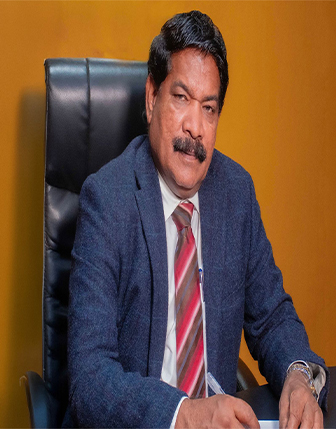 Cabinet Minister of Fisheries, Aquatic and Ocean Resources
Ministry of Fisheries, Aquatic and Ocean Resources
Provides overall policy direction and leadership for the Ministry and statutory institutions.
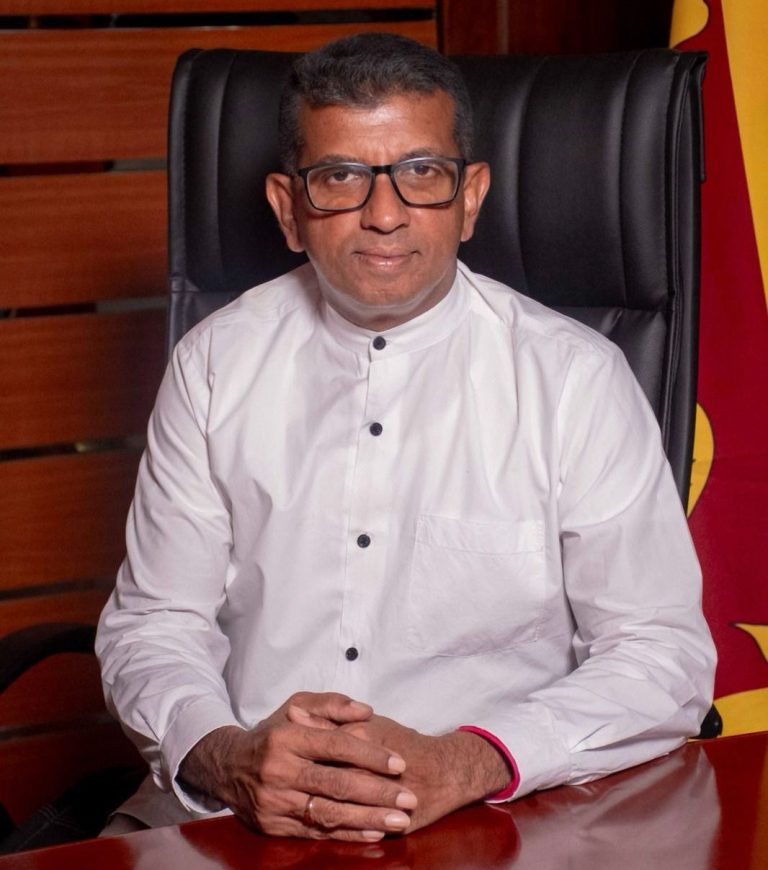 Deputy Minister of Fisheries, Aquatic and Ocean Resources
Ministry of Fisheries, Aquatic and Ocean Resources
Oversees regional coordination, community engagement, and infrastructure project delivery.
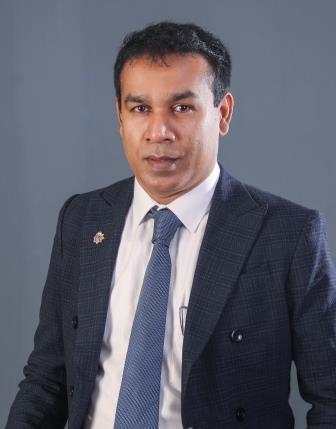 Secretary to the Ministry of Fisheries, Aquatic and Ocean Resources
Ministry of Fisheries, Aquatic and Ocean Resources
Leads administrative operations, policy implementation, financial governance, and institutional coordination.
Administration
Official administrative reporting structure
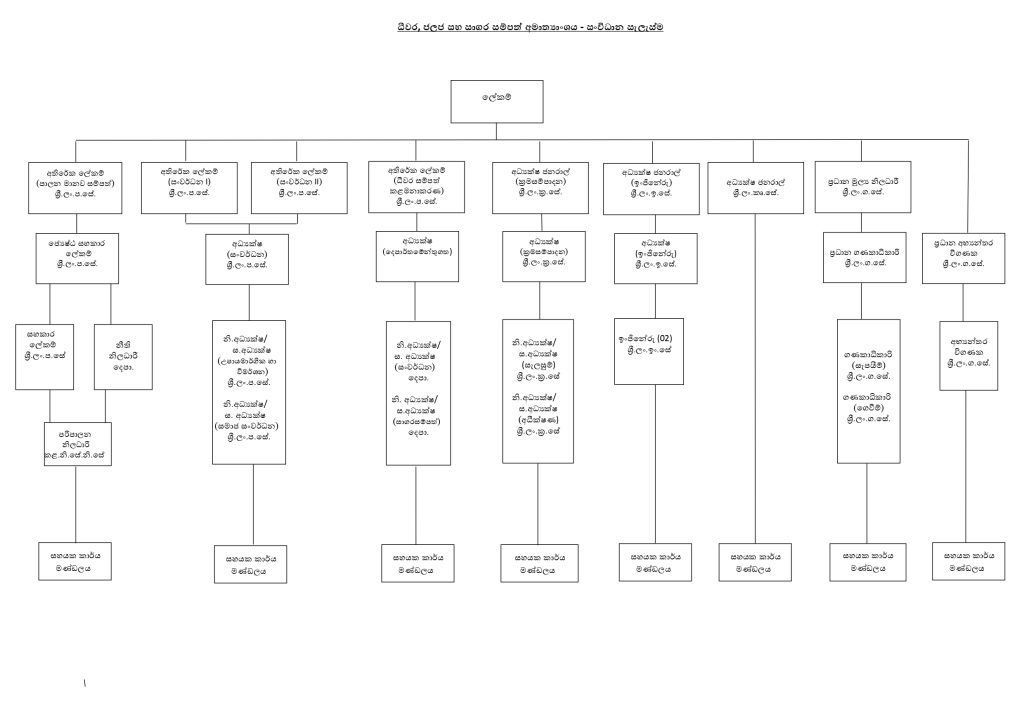
On smaller screens, scroll horizontally to examine the complete organizational chart or select 'View full size'.
Our journey
1948
Marine fishing gradually developed from a traditional coastal livelihood activity to a structured economic sector following national independence.
1980
Coastal shrimp farming commenced in the 1980s, creating major export pathways and expanding coastal fisheries employment.
1996
Passage of the Fisheries and Aquatic Resources Act No. 2 of 1996, establishing modern management, conservation, and regulatory licensing.
2010
Rapid expansion of marine finfish farming, sea cucumber culture, seaweed farming, and advanced fish health diagnostic facilities.
2026
Comprehensive digitization, modern satellite vessel tracking (VMS), online licensing, and sustainable national protein security mandate.
Government of Sri Lanka
Ministry Overview
Fishing has a long tradition in Sri Lanka spanning over two thousand years. From traditional coastal livelihoods to a multibillion-rupee modern industry, the Ministry provides leadership, regulatory oversight, and sustainable development.
Marine fishing has gradually developed from a traditional coastal livelihood activity to a multibillion-rupee industry since Sri Lanka obtained independence in 1948. Inland fishing and aquaculture are recent developments over the last 75 years, with coastal shrimp farming commencing in the 1980s and marine aquaculture expanding rapidly since 2010.
The sector contributes around 1.4% to the national Gross Domestic Product (GDP), providing direct and indirect employment to approximately 575,000 individuals (3.7% of the nation's workforce). Annual fish production exceeds 530,000 metric tons valued at over USD 1.3 Billion, with export earnings topping USD 250 Million annually.
Local production currently satisfies 65% of national fish consumption. The Ministry is committed to fulfilling 100% of national consumption from local fisheries and sustainable aquaculture while expanding export revenues.
517,000
Sq km EEZ Zone
575,000
Active Workforce
530,000
MT Annual Yield
$250M+
Export Earnings
Strategic Mandate
Key Public Pillars
Supporting the responsible development of fisheries, aquaculture and related economic activities.
Improving access to information, services and institutional support for fisheries communities.
Promoting the sustainable use, conservation and protection of aquatic and ocean resources.
National Protein & Economic Security
Ensuring sustainable marine conservation while supplying nutritious food to Sri Lanka.
Our Direction
Sri Lanka to be the leader of conservation and sustainable utilization of Fisheries and Aquatic Resources in the South Asian Region.
Managing the utilization of Fisheries and Aquatic Resources for the benefit of the present and future generation.
Policy Objectives
Leadership
Cabinet Minister of Fisheries, Aquatic and Ocean ResourcesMinistry of Fisheries, Aquatic and Ocean Resources
Provides overall policy direction and leadership for the Ministry and statutory institutions.
Deputy Minister of Fisheries, Aquatic and Ocean ResourcesMinistry of Fisheries, Aquatic and Ocean Resources
Oversees regional coordination, community engagement, and infrastructure project delivery.
Secretary to the Ministry of Fisheries, Aquatic and Ocean ResourcesMinistry of Fisheries, Aquatic and Ocean Resources
Leads administrative operations, policy implementation, financial governance, and institutional coordination.
Administration
Official administrative reporting structure
On smaller screens, scroll horizontally to examine the complete organizational chart or select 'View full size'.
Our journey
1948
Marine fishing gradually developed from a traditional coastal livelihood activity to a structured economic sector following national independence.
1980
Coastal shrimp farming commenced in the 1980s, creating major export pathways and expanding coastal fisheries employment.
1996
Passage of the Fisheries and Aquatic Resources Act No. 2 of 1996, establishing modern management, conservation, and regulatory licensing.
2010
Rapid expansion of marine finfish farming, sea cucumber culture, seaweed farming, and advanced fish health diagnostic facilities.
2026
Comprehensive digitization, modern satellite vessel tracking (VMS), online licensing, and sustainable national protein security mandate.