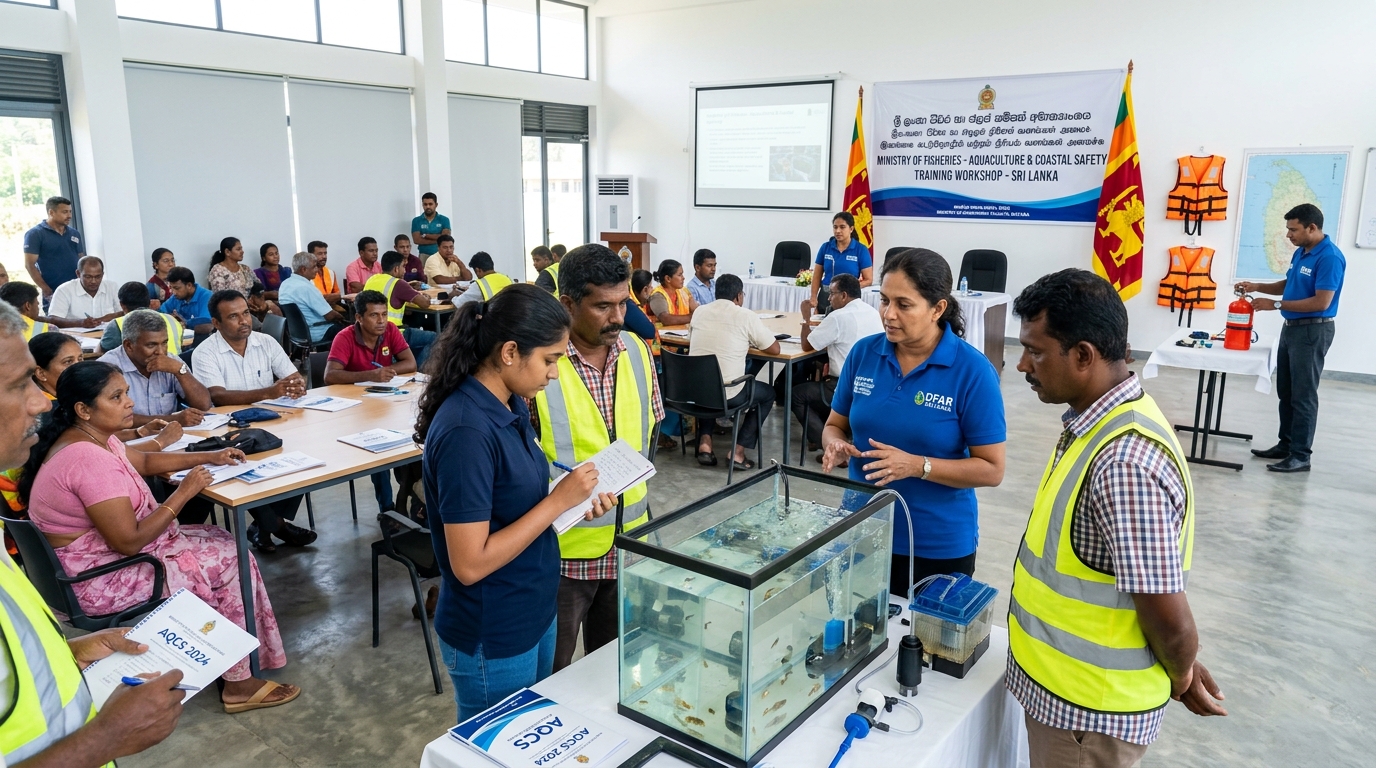
Capacity Development
Local Fisheries Training
Browse local training courses, seamanship workshops and technical development programmes for Ministry staff and sector stakeholders.
Government of Sri Lanka
Access trusted information, public services and development programmes supporting Sri Lanka’s fisheries sector and coastal communities.
Follow Ministry activities, sector developments, community programmes and official public information.
Ministry Portals
Explore local training programmes, foreign technical exchange, procurement notices, career recruitment, and key public opportunities provided by the Ministry of Fisheries.
Capacity Development
Browse local training courses, seamanship workshops and technical development programmes for Ministry staff and sector stakeholders.
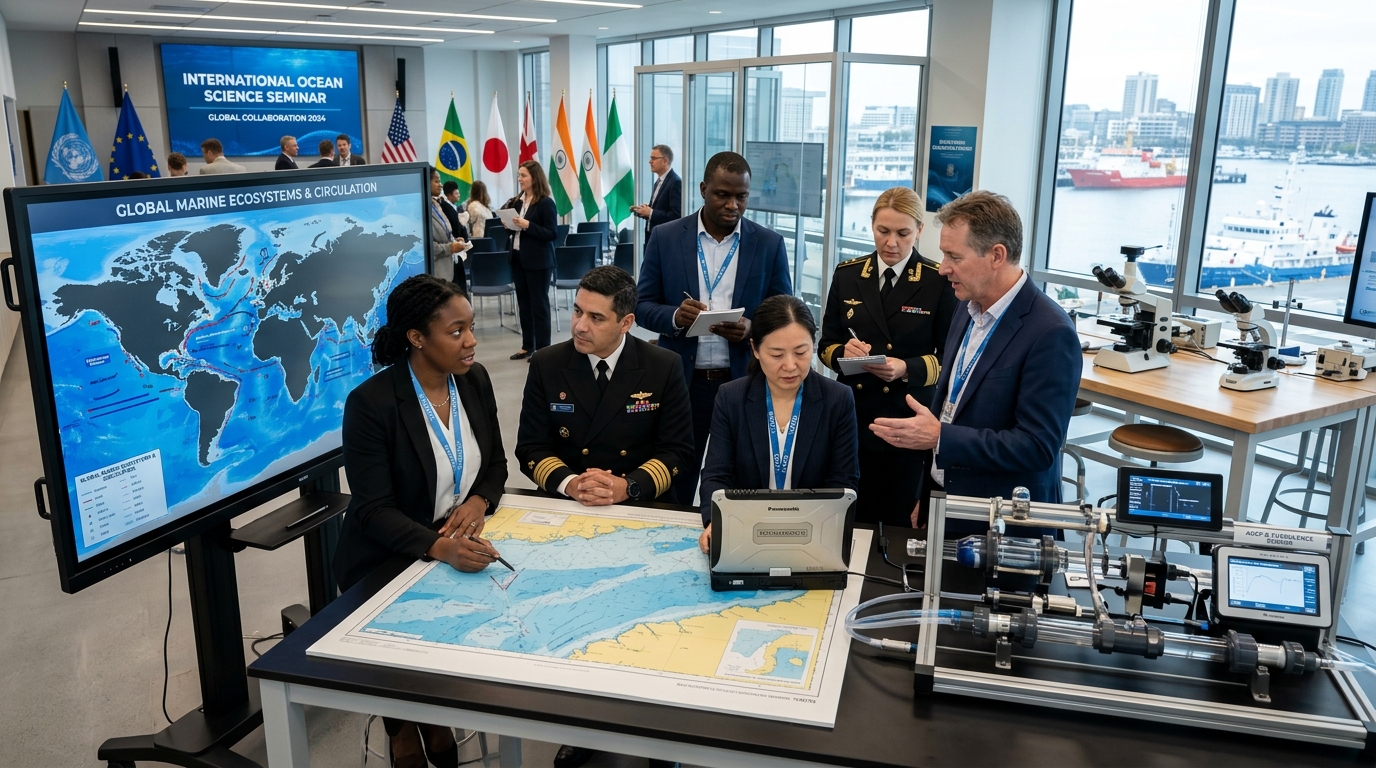
International Exchange
Discover international oceanography courses, technology exposure seminars and overseas training opportunities in partner maritime nations.

Ministry Bidding
Access official procurement opportunities, purchasing tenders, harbour construction bids and supply contracts published by the Ministry.
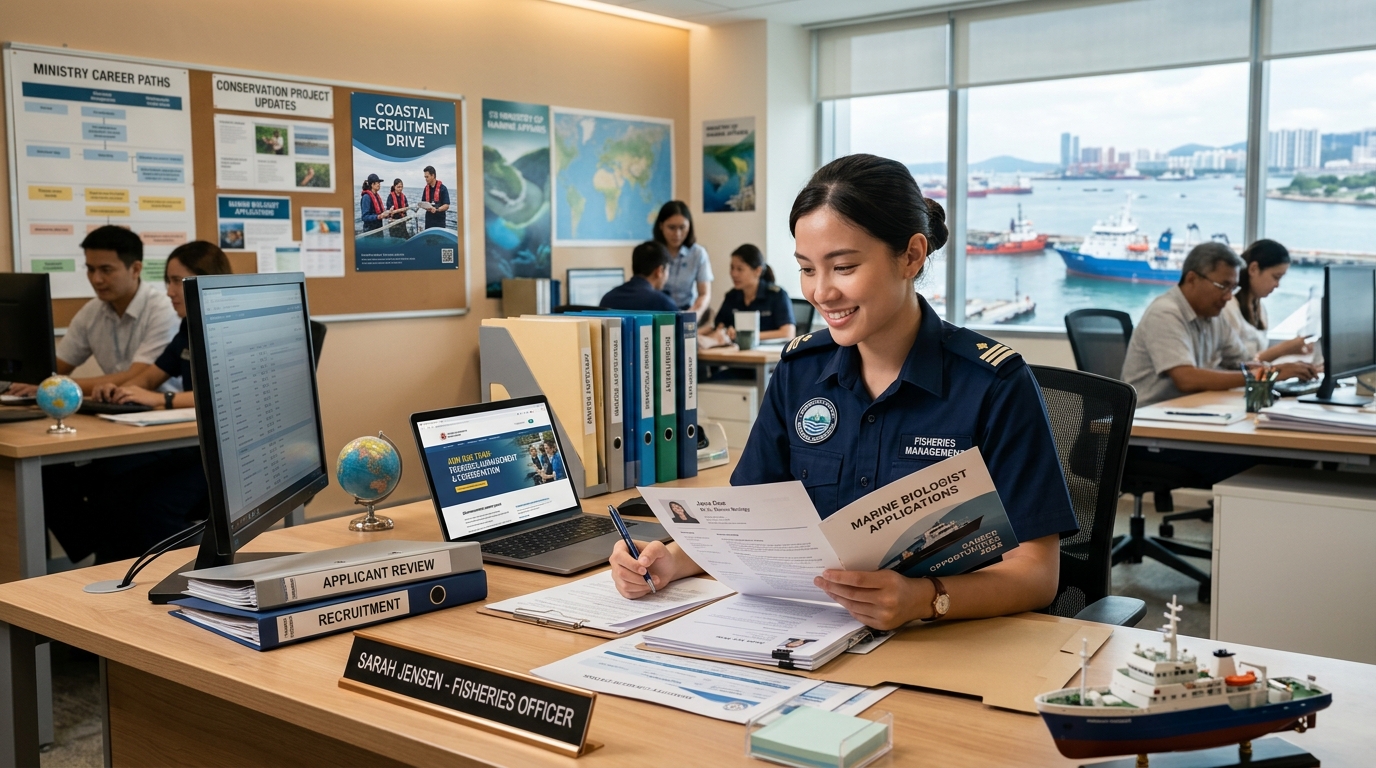
Career Opportunities
View current job opportunities, public sector vacancies, research internships and career announcements across Ministry institutions.
Public Portals & Services
Access frequently used public services and important Ministry information.
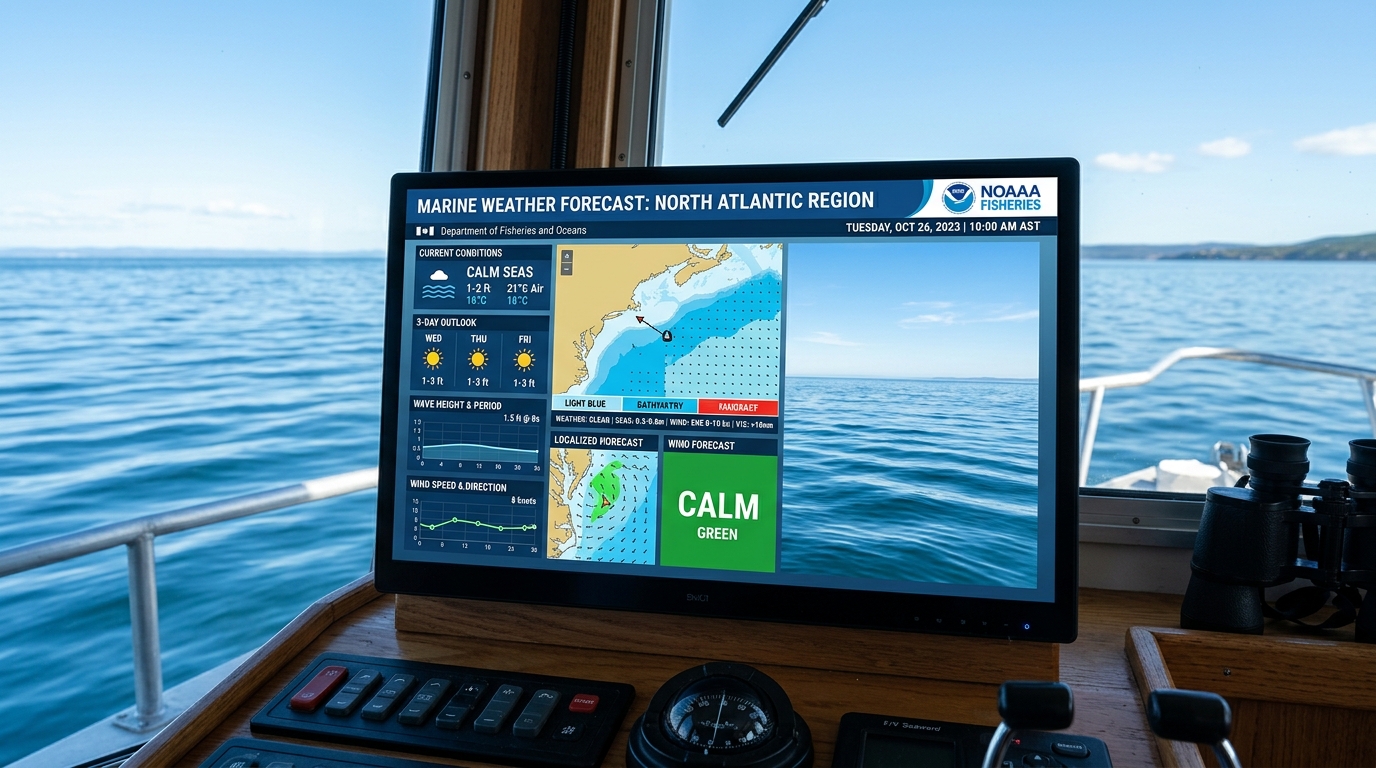
View today's live weather conditions, sea state updates and marine forecasts relevant to fisheries and ocean activities.
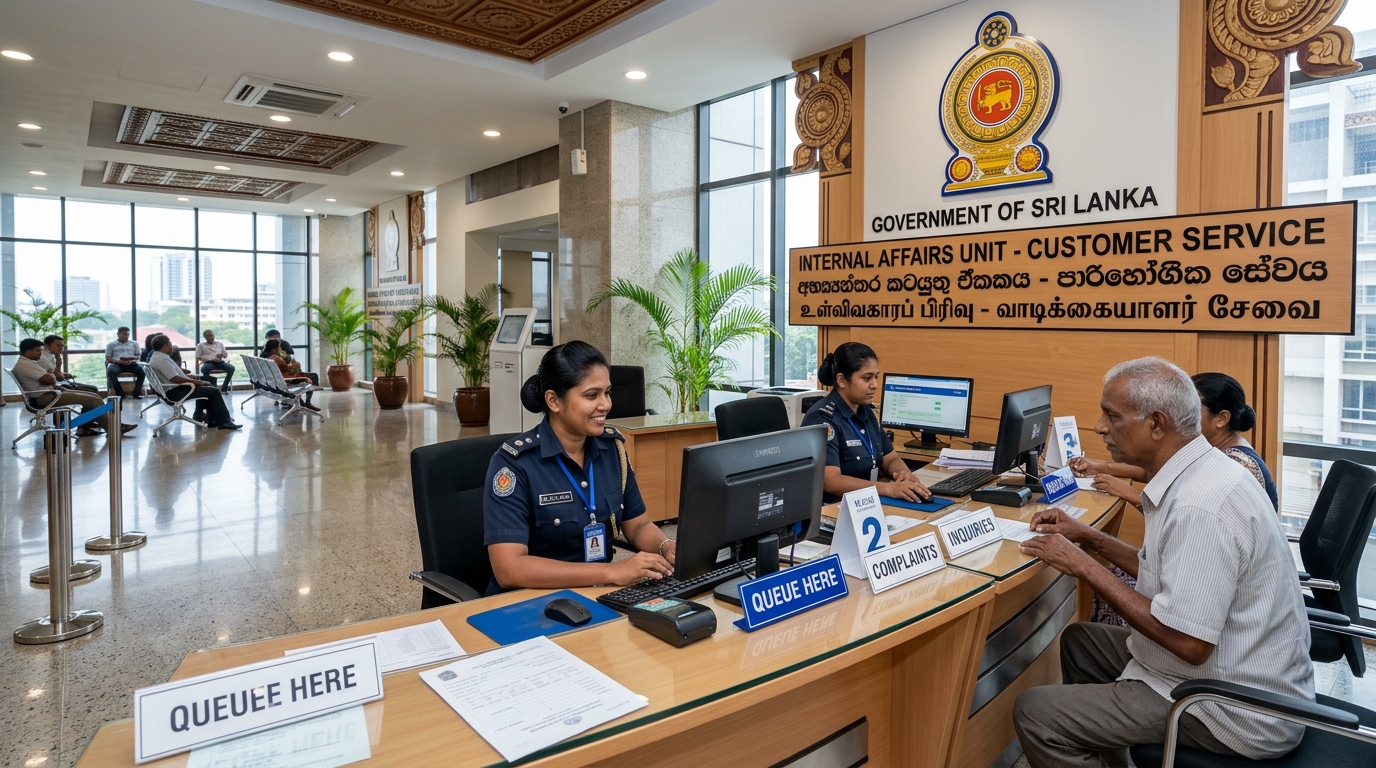
Submit complaints, report concerns, or contact the Ministry's Internal Affairs Unit regarding public services and officer conduct.
Government Network
Explore the official departments, corporations, research authorities and statutory bodies operating under the Ministry of Fisheries.

Responsible for fisheries management, vessel registration, licensing, and marine enforcement across Sri Lanka.
Conducts scientific research in oceanography, marine biology, fisheries management, and aquatic environment.
Drives sustainable inland fisheries, commercial shrimp farming, seed production, and freshwater aquaculture.
Constructs, manages, and operates fishery harbours, anchorage facilities, and maritime safety infrastructure.

Manages commercial fish purchasing, cold storage facilities, fish processing, and islandwide distribution.

Specializes in fiberglass boat manufacturing, marine vessel construction, and modern fishing gear technology.
Operates state-of-the-art fishing net manufacturing plants supplying high-quality netting products to local fishers.

Explore statutory boards, provincial fisheries bodies, and partner institutions under Ministry jurisdiction.
Government of Sri Lanka
Access trusted information, public services and development programmes supporting Sri Lanka’s fisheries sector and coastal communities.
Follow Ministry activities, sector developments, community programmes and official public information.
Ministry Portals
Explore local training programmes, foreign technical exchange, procurement notices, career recruitment, and key public opportunities provided by the Ministry of Fisheries.
Capacity Development
Browse local training courses, seamanship workshops and technical development programmes for Ministry staff and sector stakeholders.
International Exchange
Discover international oceanography courses, technology exposure seminars and overseas training opportunities in partner maritime nations.
Ministry Bidding
Access official procurement opportunities, purchasing tenders, harbour construction bids and supply contracts published by the Ministry.
Career Opportunities
View current job opportunities, public sector vacancies, research internships and career announcements across Ministry institutions.
Public Portals & Services
Access frequently used public services and important Ministry information.
View today's live weather conditions, sea state updates and marine forecasts relevant to fisheries and ocean activities.
Submit complaints, report concerns, or contact the Ministry's Internal Affairs Unit regarding public services and officer conduct.
Government Network
Explore the official departments, corporations, research authorities and statutory bodies operating under the Ministry of Fisheries.
Responsible for fisheries management, vessel registration, licensing, and marine enforcement across Sri Lanka.
Conducts scientific research in oceanography, marine biology, fisheries management, and aquatic environment.
Drives sustainable inland fisheries, commercial shrimp farming, seed production, and freshwater aquaculture.
Constructs, manages, and operates fishery harbours, anchorage facilities, and maritime safety infrastructure.
Manages commercial fish purchasing, cold storage facilities, fish processing, and islandwide distribution.
Specializes in fiberglass boat manufacturing, marine vessel construction, and modern fishing gear technology.
Operates state-of-the-art fishing net manufacturing plants supplying high-quality netting products to local fishers.
Explore statutory boards, provincial fisheries bodies, and partner institutions under Ministry jurisdiction.