Sri Lanka Reaffirms Commitment to Sustainable Ocean Management on Global Stage
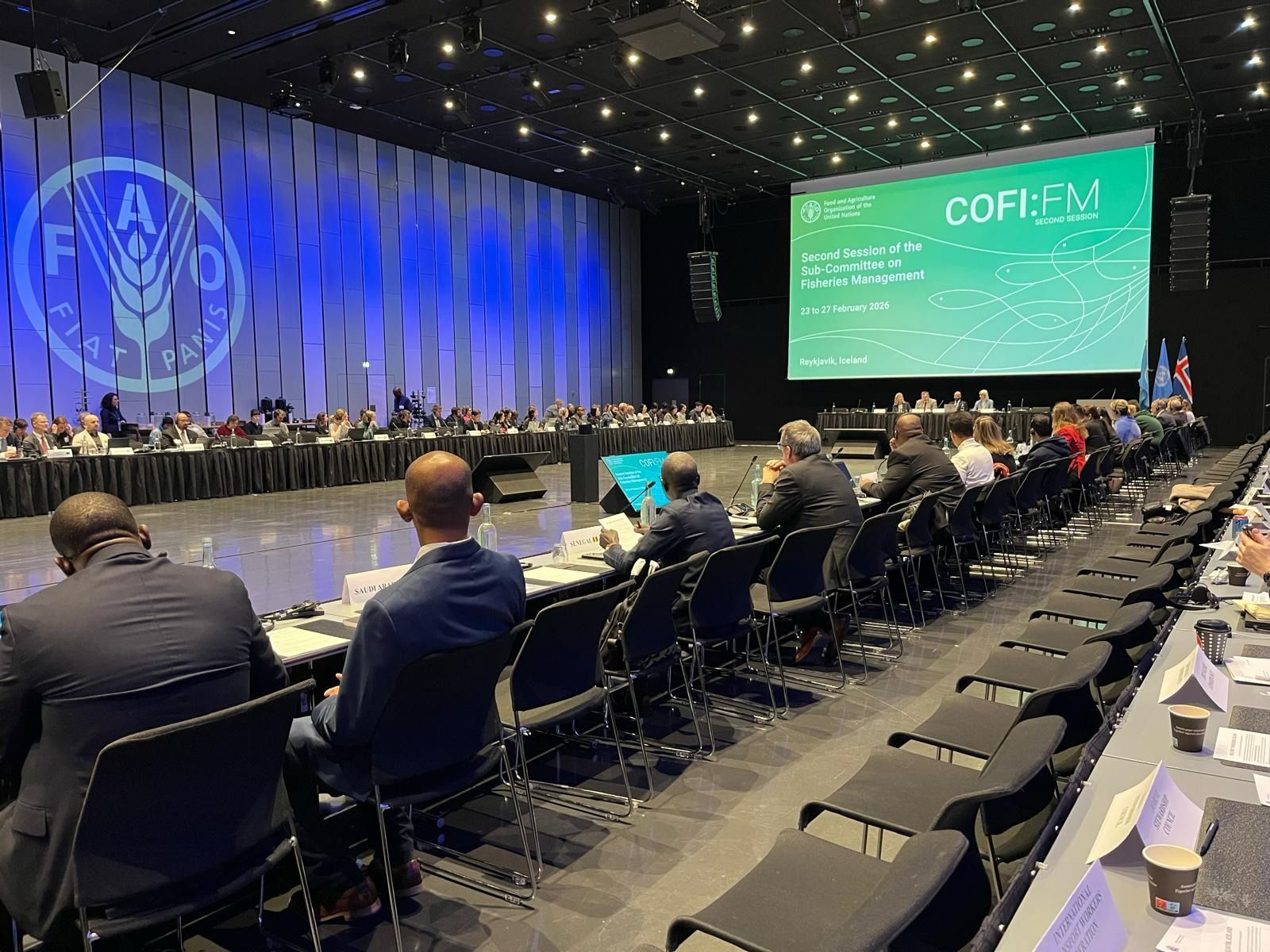
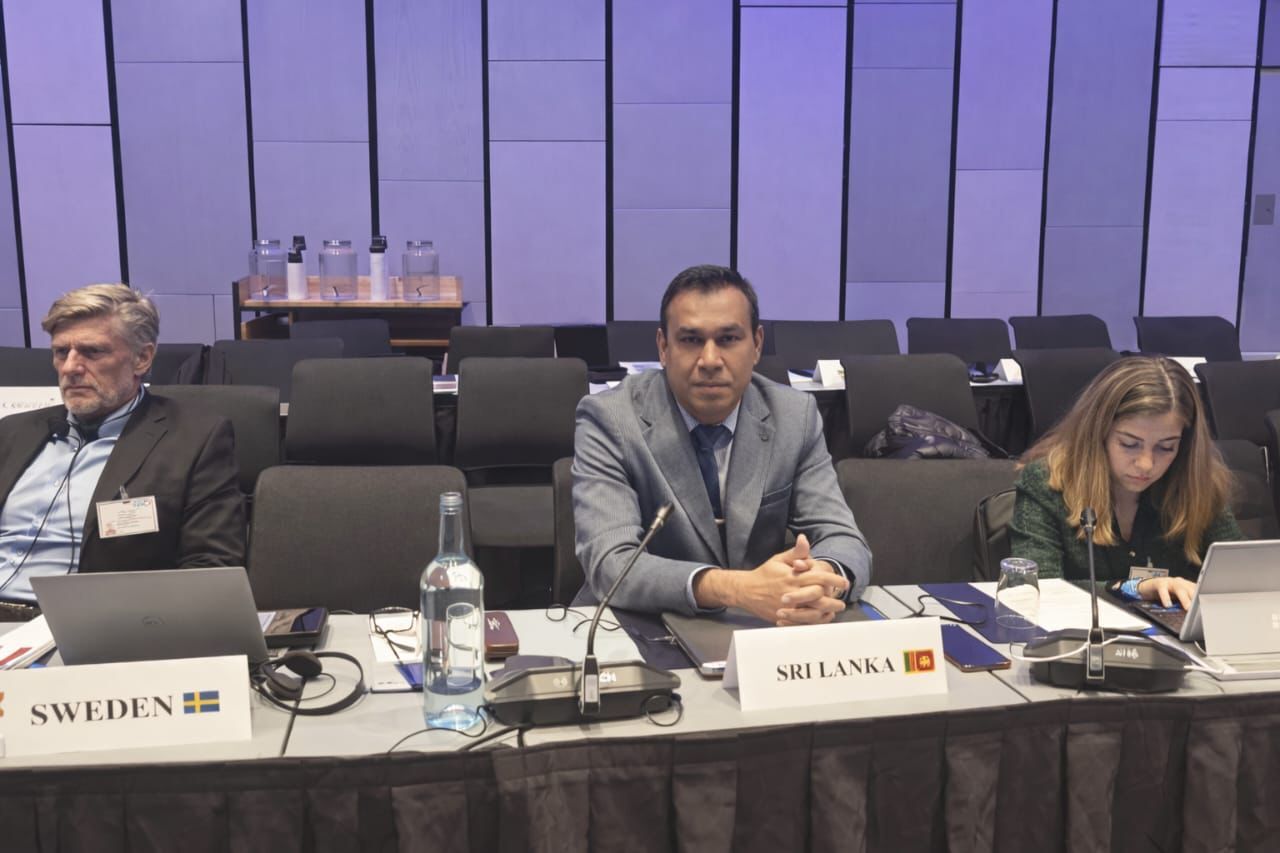
The Secretary to the Ministry of Fisheries, Aquatic and Ocean Resources, Dr. B. K. Kolitha Kamal Jinadasa, is representing Sri Lanka at the Second Session of the Sub-Committee on Fisheries Management under the Food and Agriculture Organization (FAO) Committee on Fisheries (COFI), currently underway in Reykjavik, Iceland.
Hosted by the Government of Iceland from 23 to 27 February, the high-level global conference is regarded as one of the most significant international platforms dedicated to fisheries governance and ocean sustainability. The event has drawn participation from representatives of more than 60 countries and over 75 observer and monitoring organizations worldwide.
Role of the Committee on Fisheries (COFI)
The FAO’s Committee on Fisheries (COFI) serves as the world’s leading intergovernmental forum on fisheries and aquaculture. It plays a central role in reviewing global fisheries challenges, formulating policy guidance, and strengthening international cooperation to promote responsible and sustainable fisheries management.
Key Discussion Topics
This year’s session focuses on several critical and emerging issues, including global fish stock conservation, management of data-limited fisheries, regulation of fishing vessel capacity, support for small-scale fisheries, and the development of climate-resilient fisheries governance frameworks.
Significance for Sri Lanka
The participation of the Secretary to the Ministry of Fisheries underscores Sri Lanka’s strong commitment to advancing sustainable fisheries management and responsible ocean governance within the international community. The conference provides a valuable opportunity to exchange expertise, share best practices, and strengthen national fisheries policies in line with evolving global standards.
Sri Lanka’s engagement at this high-level forum is expected to contribute to the continued development of the country’s fisheries sector, reinforce its adherence to international benchmarks, and further advance its Blue Economy objectives.